How to Identify Warblers in Spring Migration
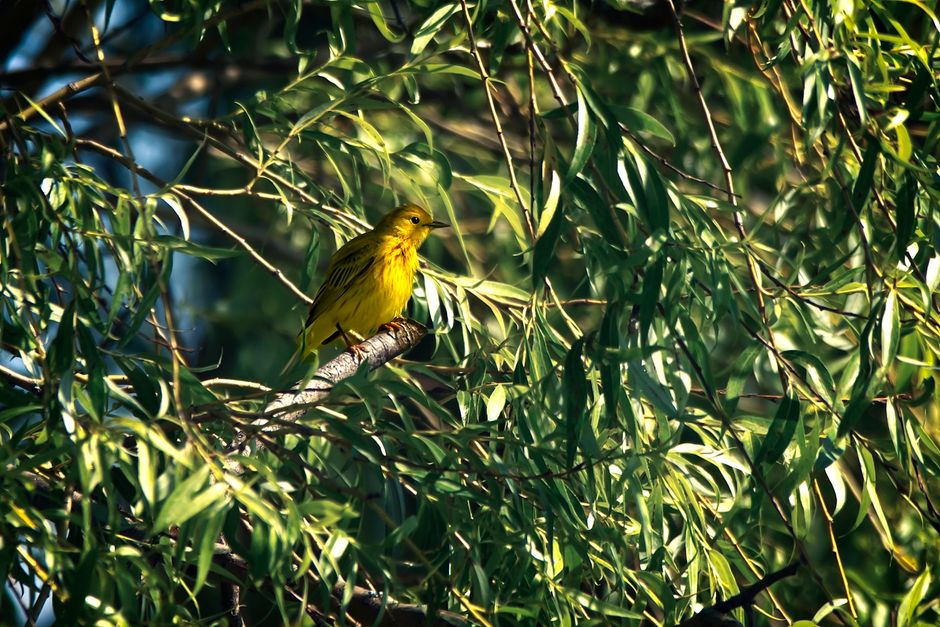
Spring migration brings a wave of small, active songbirds to the United Kingdom, and among the most rewarding to observe are warblers. These lively birds, often hidden in dense foliage, present a delightful challenge for birdwatchers. Their rapid movements and subtle differences can make identification seem daunting at first. However, by focusing on a combination of key field marks, vocalisations, and habitat preferences, it is possible to confidently distinguish between the many species that pass through or arrive to breed.
This guide provides a structured approach to warbler identification during the spring months. It covers the most common species encountered in the UK, highlights the essential features to look for, and offers practical advice on where and when to look. Whether you are a beginner or have some experience, the methods described here will help you refine your skills and deepen your appreciation for these fascinating birds.
Understanding Warbler Diversity in the UK
The term ‘warbler’ encompasses a diverse group of small, insectivorous songbirds. In the UK, you will encounter two main families: the Old World warblers (Sylviidae) and the leaf warblers (Phylloscopidae). Old World warblers, such as the blackcap and garden warbler, tend to be plumper with thicker bills. Leaf warblers, including the chiffchaff and willow warbler, are more slender, with finer bills and a tendency to hover while feeding. Recognizing these broader groups is the first step in narrowing down an identification.
Another useful distinction is between summer visitors and passage migrants. Summer visitors, such as the whitethroat and sedge warbler, arrive to breed in the UK. Passage migrants, like the grasshopper warbler, pass through on their way to breeding grounds further north. Understanding these patterns can provide clues about which species you are likely to encounter at a given time and place.
Key Field Marks for Identification
Field marks are the physical features that help distinguish one species from another. When observing warblers, pay attention to the following characteristics:
- Overall size and shape: Compare body length and posture. For instance, the chiffchaff is slightly smaller and more compact than the willow warbler.
- Plumage colour and pattern: Note the colour of the upperparts, underparts, and any distinctive features such as eye stripes, wing bars, or streaking. The blackcap has a distinctive cap on the head, black in males and reddish-brown in females, while the garden warbler lacks such a feature.
- Bill shape and colour: Warblers have thin, pointed bills, but there are subtle variations. The reed warbler has a longer, more tapered bill compared to the marsh warbler, which is sturdier.
- Leg and feet colour: Though less obvious, leg colour can aid identification. The willow warbler typically has pale brown legs, while the chiffchaff has dark legs.
It is important to observe these features over time, as lighting and angles can affect what you see. Patience and repeated observation are key to building confidence in your identifications.
Listening to Songs and Calls
Acoustic cues are often more reliable for identifying warblers than visual ones, especially in dense vegetation. Each species has a distinctive song that serves as a strong identifier.
The chiffchaff’s song is a simple, repetitive ‘chiff-chaff’ that is easy to recognise and gives the bird its name. In contrast, the willow warbler has a melodious, descending trill, which is more musical and flowing. The blackcap’s song is a rich, fluty warble that often starts quietly before developing into a loud, complex phrase. The garden warbler’s song is similar but lacks the blackcap’s distinctive ending, making it a test for even experienced listeners.
Beyond songs, calls are also valuable. ‘Tack’ or ‘churring’ sounds can help separate reed and marsh warblers, which look almost identical. The sedge warbler’s song is a speedy, chattering mix with mimicry, while the grasshopper warbler produces a high-pitched, insect-like reeling that is unlike any other.
To improve your auditory skills, it is helpful to listen to recordings before and during field trips. Recognising territorial songs is particularly useful in spring when males sing prominently to attract mates.
Habitat Preferences and Where to Look
Warblers are closely tied to specific habitats, which can narrow down the list of possible species before you even see the bird. In the UK, common habitats include:
- Deciduous woodland: Look for blackcap, garden warbler, chiffchaff, and willow warbler in areas with a mix of trees and undergrowth.
- Scrub and hedgerows: Whitethroat and lesser whitethroat frequent bushy, thorny areas with open ground nearby.
- Reedbeds and marshes: Reed warbler, sedge warbler, and grasshopper warbler are found in wetland vegetation, with reed warbler preferring tall reeds and sedge warbler favouring lower, denser growth.
- Open countryside: Skylarks, though not warblers, share some habitats, but for warblers, the grasshopper warbler can be found in rough grassland and young conifer plantations.
During spring migration, warblers may appear in atypical places as they rest and feed. Coastal scrub, parks, and even gardens can host passage migrants. Early morning is often the best time to observe them, as they are most active and singing then. Weather conditions also influence behaviour; after overnight migration, birds may be hungry and more visible as they forage.
Practical Tips for Spring Warbler Watching
To make the most of your spring warbler watching, consider the following practical tips:
- Learn the local species: Familiarise yourself with the warblers that breed in your region and those that pass through. Local bird reports can help you know what to expect.
- Use field guides and apps: Carry a concise field guide or use a birding app with photos and sound recordings. These tools are invaluable for quick reference.
- Listen first, look second: Let your ears guide you to the bird. Once you have located the source of a song, use your binoculars to study the bird’s features.
- Be patient and persistent: Warblers often stay hidden but will eventually show themselves if you wait quietly. Avoid sudden movements and noises.
- Record your observations: Taking notes or sketches in a notebook helps reinforce learning and provides a record of your sightings.
It is also helpful to join a local birdwatching group or participate in organised walks, where experienced leaders can offer guidance and share their knowledge.
Common Confusion Pairs and How to Distinguish Them
Several warbler species are notoriously similar, and being able to tell them apart is a key skill. Here are two common confusion pairs:
Chiffchaff vs. Willow Warbler: These two are often the first challenge for birders. The chiffchaff has darker legs, a slightly shorter bill, and often appears more compact. Its song is a repetitive two-note call. The willow warbler is slightly larger, with paler legs and a more elongated build. Its song is a descending trill. Habitat can also help: chiffchaffs often remain in wintering areas longer, while willow warblers arrive later.
Reed Warbler vs. Marsh Warbler: These birds are nearly identical in appearance. The reed warbler has a flatter crown and a longer, more pointed bill, while the marsh warbler has a more rounded head and a shorter, sturdier bill. Their songs differ significantly: reed warblers have a rhythmic, repetitive ‘churring’ song, while marsh warblers mimic other birds more extensively. Habitat is also a clue: reed warblers favour tall reeds, while marsh warblers are found in scrubby, damp areas.
By studying these differences and observing birds in the field, you can develop the confidence to separate such challenging species.
Ethical Birdwatching During Migration
Observing warblers during migration is a rewarding activity, but it is important to do so responsibly. Here are some ethical guidelines to follow:
- Keep a respectful distance: Use binoculars or a spotting scope to observe without disturbing the birds.
- Stay on designated paths: Avoid trampling vegetation or entering sensitive habitats where birds may be nesting.
- Limit playback use: While playing recorded songs can attract birds, excessive use can cause stress. Use it sparingly and only when necessary.
- Report sightings ethically: If you share locations publicly, consider the potential impact of increased foot traffic on vulnerable species.
By following these principles, you can contribute to the well-being of migratory birds and the conservation of their habitats.
In summary, identifying warblers in spring migration is a rewarding challenge that combines visual observation, auditory skills, and knowledge of habitats. By focusing on key field marks, listening carefully to songs, and understanding where to look, you can improve your identification abilities and enjoy the rich diversity of these birds. Remember that practice and patience are essential. Each encounter offers a chance to learn, and every season brings new opportunities to refine your skills. Happy birdwatching.